DIY vs Pro Rubbish Removal: Costs, Risks and Time Saved
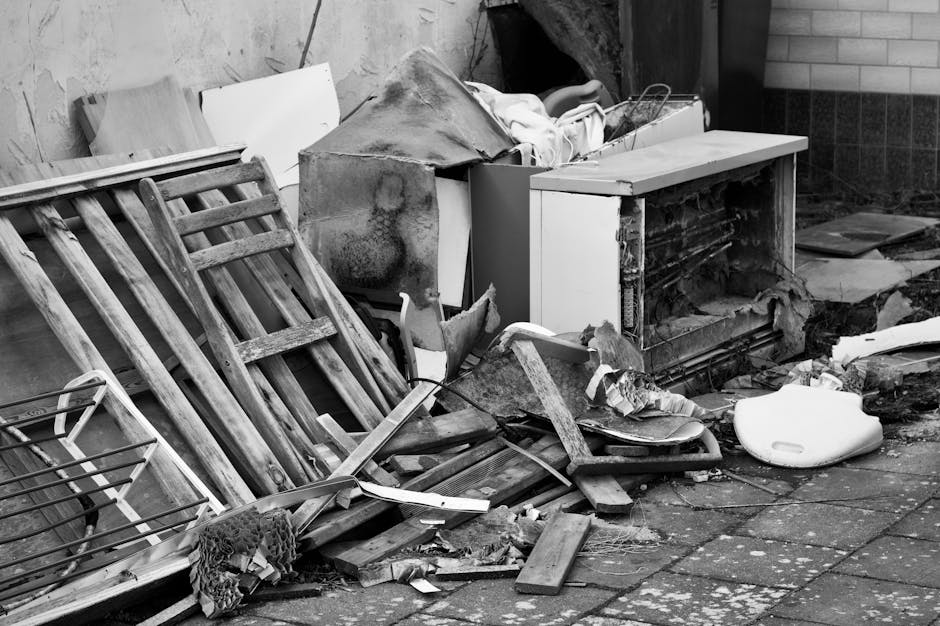
Getting rid of waste sounds simple enough until the bags start piling up, the old sofa won't fit through the door, and you realise the local tip is open for three more hours, not the whole afternoon. That is where the real choice begins: DIY vs Pro Rubbish Removal: Costs, Risks and Time Saved. Do you hire a van, load everything yourself and make a few trips? Or hand the job to a professional team and be done with it in one go?
To be fair, there is no single right answer for everyone. The best option depends on what you are clearing, how much there is, whether it is heavy or awkward, and how much your own time is worth. This guide breaks down the money side, the hidden risks, the time saved, and the practical details people often miss when they are standing in a garage full of old furniture wondering where on earth to start.
By the end, you will have a clear way to judge the trade-off, avoid common mistakes, and choose the approach that actually makes sense for your situation.
- Why it matters
- How it works
- Key benefits
- Who this is for
- Step-by-step guidance
- Expert tips
- Common mistakes
- Tools and resources
- Law, compliance and best practice
- Options and comparison
- Real-world example
- Practical checklist
- Conclusion
- Frequently asked questions
Why DIY vs Pro Rubbish Removal: Costs, Risks and Time Saved Matters
Rubbish removal is one of those jobs that looks cheaper when you only count the obvious bit. A hire van, a few bin bags, a petrol station coffee, maybe a council tip run or two. Done, right? Not quite. Once you add fuel, loading time, parking, disposal rules, lifting risk, and the chance of needing a second trip because the pile was bigger than you thought, the picture changes fast.
That is why this decision matters. A DIY clearance can save money on paper, especially for small and straightforward jobs. But pro rubbish removal may save you an entire day, spare your back, and remove the stress of sorting, carrying, and disposing of awkward waste properly. If you are clearing a flat in London, a garden after a storm, or the leftovers from a house move, those differences are not tiny. They are often the whole story.
There is also the practical side. Waste is not just waste. Some items need special handling, some need recycling separation, and some are simply too bulky or risky to move without the right equipment. A mattress on the second floor of a Victorian terrace, for example, is not the same as a few cardboard boxes. Let's face it, the boxes are easy. The mattress is the one that gets stuck halfway down the stairs.
For people comparing options, the real question is not "which costs less?" It is "which gives the best value once time, effort and risk are included?" That is the heart of the DIY vs Pro Rubbish Removal: Costs, Risks and Time Saved decision.
How DIY vs Pro Rubbish Removal: Costs, Risks and Time Saved Works
The basic process is straightforward in both cases, but the workload sits in very different places.
DIY rubbish removal
With DIY, you organise the whole job yourself. That usually means sorting the waste, bagging or bundling it, arranging transport, carrying items out of the property, driving to a disposal site, and unloading everything. If the load is mixed, you may also need to separate recyclable materials from general waste before you leave.
On a small job, that can be manageable. A few old chairs, some broken shelves, a bit of garden waste. Fine. But the moment you add bulky furniture, heavy bags, staircases, limited parking, or multiple waste streams, the job gets more complex. And more tiring, obviously. The "quick trip to the tip" can turn into a half-day project before you know it.
Professional rubbish removal
With a pro service, the process is usually much more direct. You book a collection, the team arrives, assesses the waste, loads it for you, and takes it away. Good providers will sort items for reuse, recycling, or disposal where possible. The main benefit is that the hard physical work and disposal logistics move off your plate.
That does not mean every pro quote is identical. Prices may vary based on the volume, weight, access, item type, lifting complexity, and whether specialist handling is needed. A few bags from a garage clearance are not priced the same as a packed loft or a heavy set of wardrobes. Sensible enough.
The hidden time difference
The time saved is often bigger than people expect. DIY rubbish removal has several stages: planning, loading, transport, queuing, unloading, and sorting. If you have to do that twice because the first load was bigger than anticipated, the time doubles quickly. A professional team can often clear what would take a homeowner all day in a fraction of the time.
And there is a softer saving too: mental energy. That slightly annoying sense that the clutter is still waiting in the hallway. Once it is gone, it is gone. Peaceful, in a small but real way.
Key Benefits and Practical Advantages
When people compare DIY and professional rubbish removal, they tend to focus on price first. Fair enough. But value is broader than price alone. Here are the practical advantages each side can offer.
Benefits of DIY rubbish removal
- Lower direct spend for small loads: If you already have transport and the waste is manageable, DIY can be the cheaper route.
- Full control over timing: You choose when to sort, load and travel.
- Good for low-risk waste: Light household clutter, cardboard, and small garden waste are often manageable.
- Useful when you are already making a trip: If you are combining disposal with another errand, it can make sense.
Benefits of professional rubbish removal
- Much less physical effort: No heavy lifting, no awkward manoeuvring down stairs, no wrestling with furniture.
- Faster clearance: A team can often finish in one visit.
- Better for bulky or mixed waste: Sofas, mattresses, appliances and renovation debris are easier to manage professionally.
- Reduced risk of mistakes: A decent provider understands sorting, recycling and disposal requirements.
- Cleaner finish: You are less likely to leave debris behind or end up with a half-cleared space.
In our experience, the biggest advantage of professional rubbish removal is not just speed. It is the removal of friction. The job stops being a project. That matters more than people expect, especially if you are juggling work, family, or a move.
Who This Is For and When It Makes Sense
Not every clearance needs a professional team. And not every DIY job is a clever money-saver. The best choice depends on the kind of waste and the real-world conditions around it.
DIY can make sense if:
- the load is small and easy to carry
- you have suitable transport already
- the items are non-hazardous and straightforward
- you are physically able to lift and move the waste safely
- you have enough time to make the trip without rushing
Professional removal makes more sense if:
- the waste is bulky, heavy, awkward or dirty
- you are clearing a whole room, loft, garage or property
- there are stairs, narrow halls or poor access
- time matters more than squeezing out the lowest possible spend
- you want the disposal handled properly with less hassle
A common example is a flat clearance after a tenancy ends. If the property is on the third floor and the waste includes old furniture, broken shelves and bagged rubbish, DIY starts to look less like a saving and more like a weekend eaten alive. On the other hand, a few cardboard boxes and some broken garden pots? That might be a quick DIY win.
So ask yourself: are you clearing clutter, or are you taking on a small moving job without the moving company? That is usually the real distinction.
Step-by-Step Guidance
If you want to make a sensible decision, work through the job in a proper order. Rushing the choice is how costs creep up.
- List everything to be removed. Be honest here. Include loose items, broken furniture, bags, boxes and anything stored behind the bigger stuff.
- Separate waste types. Put aside anything that may need special handling, such as electrical items, fridges, or anything contaminated.
- Estimate volume and weight. A pile of light rubbish is very different from a pile of plasterboard, damp furniture or rubble.
- Check access. Think about stairs, lift access, driveway space, road parking and whether a large vehicle can stop nearby.
- Compare all DIY costs. Include vehicle hire, fuel, parking, disposal charges, protective gear, and your own time.
- Request a pro quote if the job is borderline. Sometimes one quote is enough to show whether professional removal is better value.
- Choose the option with the best total value, not just the lowest headline figure.
A small but useful tip: take a few photos before you decide. One photo in daylight can reveal a lot that memory conveniently edits out. The old "it's only a few items" line has a funny way of turning into three van loads.
Expert Tips for Better Results
Here is where experience really helps. The difference between a smooth clearance and a stressful one is usually in the planning.
- Measure awkward items before you start. A sofa that will not fit through the hallway is a common headache.
- Use the right bags and gloves. Thin bin bags split at the worst moment. It is always the worst moment.
- Break down items where safe to do so. Flat-pack furniture, shelves and loose frames are often easier to move dismantled.
- Keep recyclables separate where you can. Cardboard, metal, clean wood and garden waste are easier to manage when sorted early.
- Be realistic about your back. One twisted lift can ruin the whole week.
- Ask about loading help before booking. Some services include all labour; others are more limited. Clarify first.
One thing people often overlook is the finish. If you are clearing a room to decorate or list a property, speed matters, but so does tidiness. The last bit of dust, the split bin liner in the corner, the scuff on the skirting board. It all adds up. A professional team can be a better fit when the space needs to look properly cleared, not just "mostly dealt with."
Also, if you are comparing services, look for clear pricing and sensible communication. You do not need a sales pitch. You need an honest answer about what will be removed, what will not, and how the job will be handled.
Common Mistakes to Avoid
Most bad rubbish removal experiences come from simple mistakes, not dramatic ones. The frustrating bit is they are easy to prevent.
- Underestimating the volume: Waste always looks smaller until you start loading it.
- Ignoring access issues: Tight stairs, low ceilings and limited parking can turn into real delays.
- Forgetting disposal fees: DIY is not free once transport and site charges are added.
- Mixing restricted items with general waste: This can cause delays or extra charges.
- Trying to lift too much at once: Classic mistake. Also a painful one.
- Choosing the cheapest quote without checking what is included: The low number may not include labour, loading, or certain item types.
- Leaving the decision too late: If you are on a deadline, rushed disposal is rarely the cheapest.
Another quiet mistake is not thinking about what happens after the waste is removed. If you are clearing before a property sale, tenancy handover or renovation, the clearance should support the next job. A good clearance makes the next step easier. A messy one just moves the problem around.
Tools, Resources and Recommendations
You do not need a huge toolkit for rubbish removal, but the right basics make a real difference.
Useful DIY tools
- heavy-duty bin bags
- work gloves
- dust sheets or tarpaulin
- trolley or sack barrow for heavy items
- packaging tape and scissors for dismantling
- basic cleaning supplies for the final sweep
Useful planning resources
- your local council's waste guidance
- vehicle hire details if you are doing the job yourself
- clear photos of the waste for comparing quotes
- room measurements for bulky items
- list of items that may need specialist disposal
If you are looking at a broader property clearance rather than a single load, related services such as house clearance, rubbish removal and waste clearance can help you understand what level of support is available. For bulky household items, the pages on furniture removal and collection and bulky waste collection are also useful reference points.
For specific items, it helps to think in categories. A mattress, for example, is not just "one more item". It has its own handling considerations, and the same goes for appliances or damaged white goods. That is why clear planning beats guesswork every time.
Law, Compliance, Standards, or Best Practice
Waste removal in the UK comes with a practical duty of care, even if the job feels small. You do not need to memorise regulations to act responsibly, but you should understand the basics.
If you are doing it yourself, make sure waste goes to the right place and is handled lawfully. Fly-tipping is not a harmless shortcut. Neither is handing waste to someone who looks cheap but cannot clearly explain where it is going. If a provider is taking rubbish away for you, it is sensible to check that they operate in a proper and transparent way.
For householders, best practice means sorting waste sensibly, avoiding contamination, and separating items that need special handling. For professionals, it means using safe lifting methods, suitable vehicles, and responsible disposal routes. Insurance also matters. If a heavy item damages a hallway, stair rail or flooring, you want a provider who works with care and has the right cover in place.
You will also notice that good operators tend to be clear about what they can take, how they price jobs, and how they approach recycling. That clarity is a good sign. Vague answers, not so much.
Some waste streams, including electrical items and certain hazardous materials, may require specific handling. If in doubt, ask before moving anything. Better to pause for a minute than create a problem you do not need.
Options, Methods, or Comparison Table
Below is a practical comparison of the two main approaches. Exact costs vary by job size, item type and access, so treat this as a decision guide rather than a fixed price list.
| Factor | DIY Rubbish Removal | Professional Rubbish Removal |
|---|---|---|
| Upfront spend | Often lower for very small loads | Higher headline price, but labour and disposal are included |
| Time required | Can take half a day or more | Usually much quicker |
| Physical effort | High | Low for the customer |
| Risk of injury | Higher if lifting heavy or awkward items | Lower for the customer |
| Best for | Small, light, simple loads | Bulky, mixed, heavy or time-sensitive jobs |
| Disposal knowledge needed | Yes, quite a bit | Usually handled for you |
| Stress level | Can rise quickly if access is poor | Generally lower |
If your job is somewhere in the middle, think about a hybrid approach. You might sort and bag lighter items yourself, then book professional help for the heavy or awkward pieces. That can be a sensible compromise, especially if you want to save a bit without carrying the whole burden yourself.
Case Study or Real-World Example
Imagine a typical London flat clearance. One bedroom, third floor, no lift. The job includes a bed frame, mattress, two wardrobes, a broken desk, several bin bags of old clothes and books, and a small amount of mixed household waste. Nothing extreme, but enough to be annoying.
If the homeowner tries DIY, they will likely need a van, at least one helper, several hours of lifting, and a careful plan for parking and loading. There is also the risk of damaging walls or struggling with bulky furniture on the stairs. By the time the last item is loaded, the day is half gone and everyone is tired. Not ideal.
A professional team, by contrast, can turn up, assess the items, carry them out, and remove the lot in one visit. The customer pays more than the DIY direct cost, yes. But they avoid the van hire, the heavy lifting, the stress of timing, and the chance of a second trip. For many people, that is the real saving.
Now flip the scenario. A small garden clear-out after spring pruning, plus a few black bags of general clutter. That is a classic DIY job if you already have the tools and a suitable vehicle. Straightforward. No drama. The decision changes with the job, which is exactly why blanket advice is not very useful here.
Practical Checklist
Use this quick checklist before you decide.
- Have I listed every item that needs removing?
- Do I know whether any items need special handling?
- Can I move the items safely without help?
- Is there a vehicle I can use, or would I need to hire one?
- Do I know the disposal site rules and charges?
- Have I considered parking, access and loading time?
- Would a professional service save me more time than it costs?
- Am I trying to clear waste, or am I really trying to free up my weekend?
If you answered "not sure" to several of those, it is probably worth getting a quote and comparing the full picture rather than guessing. That little bit of clarity can save a lot of hassle.
Conclusion
The choice between DIY and professional rubbish removal is not really about who is "doing it right". It is about what works best for the size, weight, urgency and complexity of the job. DIY can be economical for small, simple loads. Pro rubbish removal can be the smarter value choice when you factor in time saved, reduced risk and the plain relief of not having to drag heavy junk around yourself.
For many people, the answer comes down to one honest question: do you want the waste gone, or do you want to spend a day managing the waste? That distinction matters more than most headlines suggest.
And if the pile is growing, the deadline is close, and the hallway already looks like a small recycling depot, there is nothing wrong with choosing the easier path. Sometimes the best value is simply getting your space back.
Get a free quote today and see how much you can save.
Frequently Asked Questions
Is DIY rubbish removal always cheaper than hiring a professional?
Not always. DIY can be cheaper for small, light loads, but once you add van hire, fuel, disposal fees, parking, and your own time, the savings can shrink. For bulky or mixed waste, professional removal can be better value overall.
What is the biggest risk with DIY rubbish removal?
The biggest risks are injury, damaged property, and underestimating how much time the job will take. Heavy lifting, awkward items and poor access are where DIY often becomes far more difficult than expected.
How do I know if I need professional rubbish removal?
If the waste is bulky, heavy, urgent, on stairs, or needs special handling, professional help is often the safer and faster choice. It is also sensible when you want the job done in one visit with less disruption.
What items are most worth paying a pro to remove?
Large furniture, mattresses, appliances, mixed household waste, and anything difficult to carry usually justify professional removal. If the item is awkward rather than just heavy, that is another good sign.
How much time can professional rubbish removal save?
It depends on the job, but a professional team can often complete in a fraction of the time it takes a homeowner to sort, load, transport and unload waste themselves. The bigger and trickier the job, the more time you are likely to save.
Can I mix different types of waste in one DIY load?
You can mix some household waste types, but not everything should go together. Certain items may need separate handling, and disposal sites often have their own rules. It is better to sort first than to arrive with a mixed load you cannot leave.
Is it safe to move old furniture by myself?
Small or light pieces may be manageable, but larger furniture is another matter. Sofas, wardrobes and bed frames can be awkward, heavy and hard to control on stairs. If it feels like a two-person job, it probably is.
What should I check before booking a rubbish removal service?
Check what is included, how pricing works, whether loading is covered, and what happens with recycling or disposal. It also helps to confirm access details and any item restrictions before the team arrives.
Are professional rubbish removal services suitable for small jobs?
Yes, especially if the items are awkward or you want the job done quickly. Even a small load can be worth outsourcing if you are short on time or do not want the hassle of transport and disposal.
What if I only have a few items to get rid of?
For a few simple items, DIY may be the most cost-effective option if you already have transport. If the items are heavy, bulky or difficult to move, a professional collection may still be the smarter choice.
How can I avoid paying for rubbish removal twice?
Make a complete list of everything you want removed, including items tucked away in cupboards, the loft or the garage. Taking a few photos and measuring large items helps avoid underestimating the job and needing a second collection.
What is the best way to decide between DIY and pro rubbish removal?
Compare the total cost, the time involved, the access challenges and the physical effort required. If you are mainly trying to save money, DIY may work. If you are trying to save time, reduce risk and get the job done cleanly, pro removal often wins.
Choosing the right route does not have to be complicated. A clear plan, a realistic view of the waste, and a bit of honest calculation usually point you to the answer. And once the clutter is gone, the room always feels bigger than you remembered. That part never gets old.