House Clearance Experts in London

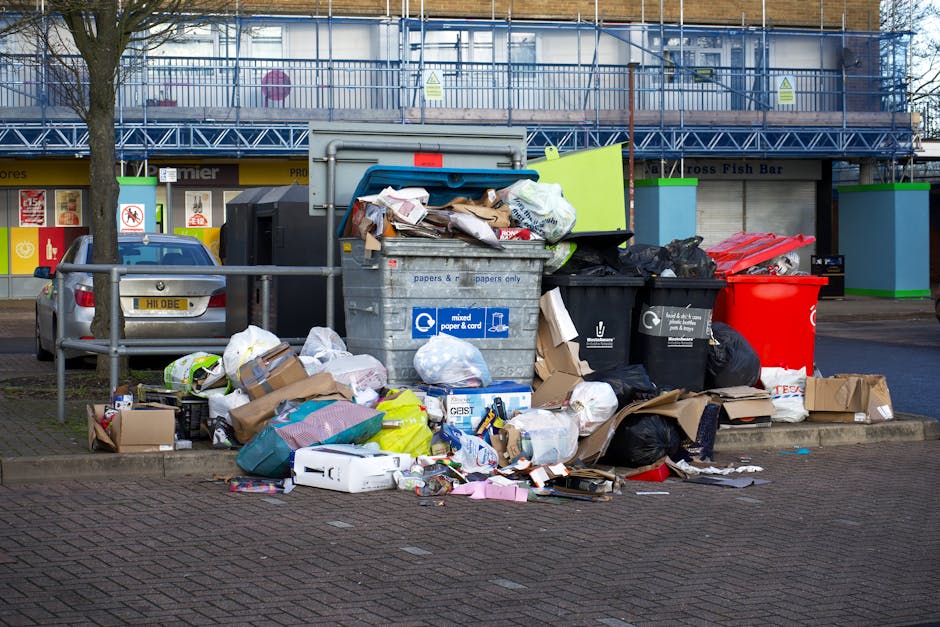
House Clearance Experts provides house clearance in London with a service shaped around clearing domestic properties, preparing rooms for handover, and removing items that are no longer needed. The work can include single rooms, full-house clearances and more focused collections where only particular areas need attention. Our service is designed to help when a property has become difficult to manage because of accumulated furniture, general household contents or bulky items that need to be taken away safely and sensibly.
We handle a broad range of domestic clearances, from lofts and garages through to whole homes and probate properties, with options that can be matched to the condition and access of the building. For many customers, the main aim is to regain usable space without having to organise several separate removals. Clearance work is usually most effective when the items to be removed are identified in advance, so the service can be planned in a straightforward way and the right vehicle and team can be assigned.
When you are ready, request a quotation and tell us what needs clearing. If you need a fuller breakdown of costs and typical factors, see our pricing and quotes page.
Domestic clearance services
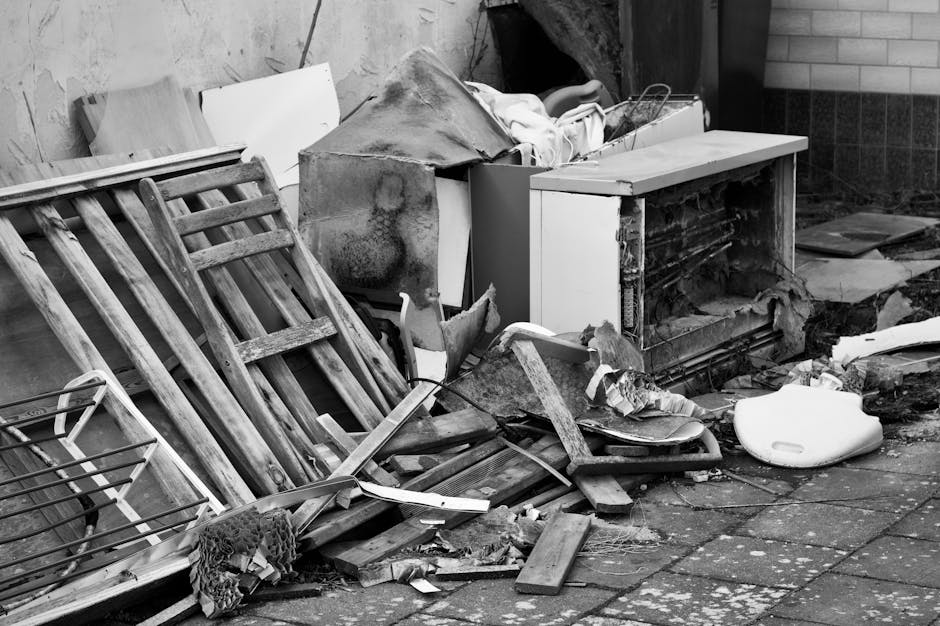
Our core house clearance work covers everyday household contents as well as furniture, white goods, mattresses and mixed bulky waste. The service is suitable for homes that need a partial clear-out before redecorating, moving, selling or returning a property to a landlord, as well as properties that need a more complete emptying. We can also assist with individual items where a full clearance would be unnecessary, which helps keep the job proportionate to the actual amount of material involved.
Different homes call for different approaches. A flat clearance may require careful timing and access planning, while a larger property may need a room-by-room approach so that reusable items, recyclables and general waste are separated correctly. We can also support probate clearances where the work needs to be carried out respectfully and methodically, with attention to what is being kept, removed or set aside. If you would like to compare the type of domestic work we offer, our house clearance page gives a concise overview.
For properties where the contents include a mixture of furniture and general rubbish, it is often helpful to make a simple list before work begins. That list does not need to be elaborate; a brief note of the main rooms, larger pieces and any access issues is usually enough to shape the job. A short call to action is often all that is needed: send the details when you are ready.
Furniture, bulky items and special disposals
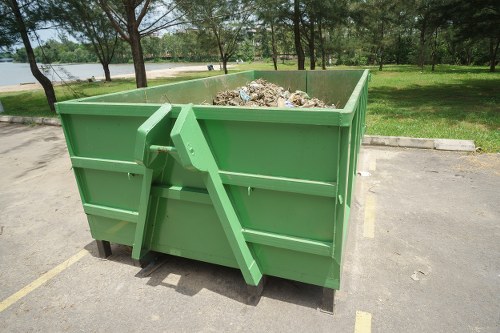
Many clearance jobs revolve around large items rather than a complete house emptying. Sofas, wardrobes, beds, mattresses, fridges and other white goods can be awkward to move through narrow hallways or shared entrances, so the method of removal matters as much as the destination. Our furniture removal and collection services are useful when you want items taken away without leaving the movement of heavy pieces to chance. We also handle furniture disposal where end-of-life items need to be removed responsibly.
Specific item pages help customers understand the categories we work with. If you are arranging a one-off collection, it can be useful to separate a sofa removal from a mattress disposal or bed disposal, especially where access, disassembly or lifting is likely to differ. Likewise, fridge disposal and white goods recycling may involve different handling from general furniture because of their weight and construction. You can explore the main item pages such as furniture removal and collection, sofa removal and collection and mattress removal and collection.
Where only one or two bulky items need collecting, the most useful preparation is usually to note whether they are still assembled, whether there are stairs or tight corners, and whether anything else is stacked on top of them. That information helps avoid delays and keeps the removal plan practical. If you need to dispose of mixed household items, you can ask for a quotation and explain the contents in plain terms.
H3: Clearances for lofts, garages and outbuildings
Some of the most useful domestic work takes place in the parts of a property that are easiest to neglect. Loft clearance often involves boxed items, old decorations, seasonal belongings and forgotten furniture, while garage clearance may include tools, packaging, sports equipment and general storage that has built up over time. These spaces can become crowded in ways that make it difficult to sort what should stay and what should go, so a structured clearance can be the simplest way to reset them.
We also handle garden clearance and rubbish clearance where the work extends beyond the main rooms of the house. The key is to distinguish what is genuinely waste from what is being stored for reuse or resale. In a garage or loft, that distinction may be less obvious than it first appears, which is why a measured approach is preferable to removing everything in one sweep. Relevant service pages include loft clearance, garage clearance and garden clearance.
Outbuilding clearances are often most efficient when the items are grouped into loose categories before the visit, such as furniture, recyclable material and mixed household contents. That makes it easier to decide what can be taken on the day and what may need a separate approach. For most customers, the main goal is simple: clear the space properly and leave it ready for its next use.
Commercial and property-based clearance

Although the business focus is domestic house clearance, similar methods can be applied to business premises and wider property work where the item mix is suitable. Office clearances typically involve desks, chairs, filing units and general office contents, while commercial waste collection may also include packaging, archive material and broken equipment. The aim is to clear a site methodically, with attention to access, segregation and the kinds of objects commonly found in workplaces.
Property clearance can also be relevant where an estate agent, landlord or managing party needs a building to be emptied in preparation for refurbishment or change of occupancy. In these cases, the work may involve furniture disposal, rubbish clearance and removal of miscellaneous contents left behind by previous occupants. If you want to see the broader commercial options, useful pages include office clearance, commercial waste collection and property clearance.
For any property-based clearance, it helps to know whether the site is occupied, partially empty or fully vacant, because access and sequencing can change the job. A simple room list, photographs or a written inventory can be useful, particularly where multiple floors are involved. Keep the information focused, and then request a quotation so the work can be costed against the actual contents rather than a guess.
H3: Probate and sensitive clearances
Probate clearance requires a careful, steady approach. The work can include sorting through household contents, identifying items that may be kept by family members, and clearing the remaining furniture or waste from the property in a respectful manner. A probate house clearance is often carried out in a home that contains a full mixture of possessions, so the service needs both practical organisation and a calm, methodical pace. We support this type of work through our probate clearance and probate house clearance pages.
In sensitive clearances, the most important step is usually deciding what must remain in the property while other items are removed. This can include documents, personal keepsakes, photographs or furniture that is to be distributed elsewhere. The clearance itself then becomes a structured task rather than a rushed removal. It is also common for the load to include a mix of reusable and non-reusable contents, so planning for sorting is helpful. We work in a way that keeps the process simple and orderly.
If you are arranging a clearance for a family home, a short written list of any items to preserve can prevent confusion and save time during the visit. Where appropriate, label the belongings that are not to be moved and identify rooms that should be left untouched. That keeps the practical part of the job straightforward and gives everyone a clear understanding of what should happen on the day.
About London
London is the capital of England and the United Kingdom, built along the River Thames and shaped by centuries of political, commercial and cultural development. Its origins lie in the Roman settlement of Londinium, established in the 1st century, and traces of later medieval, Georgian, Victorian and modern growth can still be read in the city’s streets and buildings. The City of London remains the historic core, while the wider metropolis extends across numerous boroughs, each with its own character. Landmarks such as the Tower of London, Westminster Abbey, St Paul’s Cathedral and the Palace of Westminster sit alongside contemporary buildings that reflect the city’s continuing change. London’s network of parks, commons and waterways also forms a major part of its identity, from Hyde Park and Regent’s Park to the towpaths and embankments that follow the Thames and its tributaries. The city is well known for institutions such as the British Museum, the National Gallery and the Southbank Centre, but everyday London life is equally defined by its markets, local high streets, libraries, theatres, galleries and places of worship. Transport infrastructure is a defining feature too, with the Underground, Overground, rail termini, bus routes and river services linking districts that can feel very different from one another. Architectural variety is one of London’s most distinctive qualities: narrow terraces, mansion blocks, post-war estates, warehouses, converted industrial buildings and new towers often stand within a short distance of each other. That mix of scale, age and use gives the city a layered appearance that is visible in neighbourhoods from inner borough streets to suburban avenues in the outer parts of the capital.
How a house clearance is planned
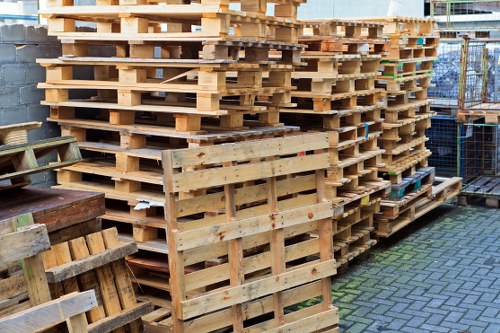
A good clearance starts with a clear picture of the contents and the access conditions. Stairs, lifts, narrow corridors, parking restrictions and shared entrances can all affect how a job is arranged, so the more accurate the initial description, the better the plan can be. We use that information to decide how the work should be approached, what type of items are involved and whether the job is best treated as a full clearance, a partial clearance or an item-specific collection.
Supporting details are often more useful than broad statements. A brief list of rooms, approximate volumes and any heavy items is usually enough to guide the estimate. If you have access to photographs, they can help show whether pieces need disassembly or whether there are awkward corners, basement stairs or top-floor access to consider. That said, the most important thing is simply to be clear. Useful information helps create a sensible quotation and prevents unnecessary revisits.
For best results, keep one note of what should go, one note of what should stay, and one note of anything fragile or valuable. If you would rather speak in general terms first, that is fine too; the key point is to begin the conversation with a realistic outline of the job. Once that is done, we can move the enquiry forward without confusion.
Recycling, sorting and responsible removal
Clearance work is not only about lifting and loading. It also involves deciding what can be separated for recycling, what can be reused and what must be treated as general waste. Mixed domestic loads often contain a combination of wood, metal, fabric, plastics and electrical items, so responsible handling depends on sorting rather than simply removing everything as one pile. Our related pages on waste recycling and recycling and sustainability explain these themes in more detail.
Where furniture or appliances are involved, the disposal route may vary according to the item type and condition. For example, a working appliance, a broken fridge and a worn-out sofa do not present the same handling questions. The aim is to send material to the appropriate outlet where possible and to avoid unnecessary waste. This practical approach supports both domestic clearances and isolated item removals, while keeping the process as tidy as possible from start to finish.
Customers do not need to sort every small object before calling, but it does help to identify anything that may require special handling. Batteries, electrical goods, loose fittings and very heavy items are worth flagging early so that the load can be planned correctly. In that sense, responsible removal begins before the van arrives, with a clear conversation about what the clearance contains.
When a partial clearance is the right choice

Not every job needs a full-property clearance. Sometimes one room, one floor or one category of items is enough to make the property manageable again. Partial clearances are useful when you are changing a room’s use, making space for decorating or simply removing a build-up of furniture and miscellaneous items that have become difficult to store. This is especially helpful in homes where the remaining contents still need to stay in place.
We can also work from a focused item list, which is often the best option when the customer already knows what should be removed. That might mean a pair of wardrobes, a mattress, a sofa and a few smaller items, or a larger combination of household pieces that no longer have a place in the property. The simpler the request, the easier it is to match the service to it. If you want a concise comparison of item collections, pages such as large item collection, bulky waste collection and furniture disposal may help.
For the final step, keep the enquiry brief but specific: state the property type, the main rooms involved and any items that may need extra care. Then ask for a quotation and let the service be shaped around the actual job rather than a generic assumption. That makes it easier to provide a practical, relevant response.
More ways we can help
House clearance work often sits alongside other waste and removal tasks, so it is useful to know the broader range of related services available. Depending on the property and contents, the right match may be rubbish removal, waste clearance, rubbish collection or waste disposal rather than a full clearance. The distinction matters because it changes how the job is priced, planned and completed. Our pages on rubbish removal, waste clearance and waste disposal show the wider service family.
There are also situations where the work is best defined by a single article or object, especially in homes where one bulky item is causing the main issue. In those cases, specialised pages such as bed disposal, fridge disposal and furniture clearance provide a clearer route into the right service. This makes it easier to avoid over-ordering the job and keeps the process focused on what actually needs taking away.
If you are comparing options, remember that the best service is the one that matches the contents, access and end goal. Some customers want a single item removed quickly, while others need a property emptied for sale, letting or renovation. Either way, the starting point is the same: tell us what needs clearing, and we can help shape the next step.