Health and Safety Policy for House Clearance Experts
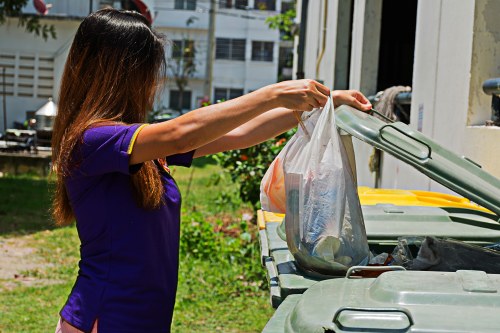 Purpose and commitment: This policy sets out the approach of our house clearance experts and property clearance teams to maintain a safe working environment for staff, clients and the public. Our house clearing professionals commit to preventing injury and ill health by managing risks associated with removals, bulky waste handling and site clearance. The aim is to ensure that every clearance operation is planned, assessed and carried out with due regard for occupational safety and cleanliness.
 Scope: The policy covers all activities undertaken by our house clearance services, including pre-clearance surveys, on-site sorting, manual handling, mechanical lifting assistance, transportation and disposal coordination. It applies to full property clearances, single-room removals and specialist clearance tasks involving high-risk items. All team members, subcontractors and temporary staff are expected to follow these standards during every clear-out operation.
Responsibilities: Management is responsible for providing resources, training and oversight to implement this policy. Supervisors and team leaders must ensure that each job has an up-to-date risk assessment and that safe systems of work are in place. Individual operatives are responsible for working safely, reporting hazards and using provided personal protective equipment (PPE). Our property clearance experts will maintain clear lines of accountability so safety remains a daily priority.
Risk Management and Safe Working Practices
Risk assessment and planning: Every job starts with a thorough risk appraisal performed by experienced house clearance professionals. The assessment identifies hazards such as sharps, asbestos risk areas, contaminated items, unstable structures, manual handling challenges and restricted access. Where hazards are identified, control measures will be implemented—these may include segregation of hazardous materials, use of specialist tools, or referral to licensed hazardous waste handlers.
Training and competence: Staff engaged in clearance are required to hold appropriate training covering manual handling, hazardous materials awareness, infection control, and safe use of tools and equipment. Ongoing competence is maintained through toolbox talks, practical refreshers and periodic assessments. A culture of continuous improvement means any operational lessons learned are fed back into training and procedures.
Equipment and PPE: Teams will use well-maintained lifting aids, trolleys, gloves, respiratory protection and strengthened footwear as required for each clearance. Regular equipment inspections and maintenance schedules reduce the risk of failure. House clearers must only use equipment they are trained on and report defects immediately.
Operational Controls and Communication
Site control measures include establishing clear access routes, securing unstable items, and marking out hazardous zones. Before work begins, operatives will brief on emergency arrangements, first aid availability and nearest medical access. Communication between teams is maintained by radios or mobile devices when appropriate, and supervisors will carry copies of risk assessments and contact protocols.
Waste segregation and handling standards: All waste is categorised on-site to separate recyclable materials, general refuse and potentially hazardous waste. Property clearance experts adhere to best practice when handling electrical items, batteries, chemicals and biological contaminants. Where specialist handling is required, items will be isolated and handled by trained personnel or transferred to specialist collection services.
Incident reporting and investigation: Any accident, near miss or unsafe condition must be reported promptly. Investigations aim to identify root causes and implement corrective actions. Records of incidents, risk assessments and training are maintained to ensure transparency and continual improvement across the house clearance operation.
![A large pile of mixed waste materials is situated on the sidewalk adjacent to a residential property, with a stone wall and row of houses visible in the background. The rubbish includes broken wooden planks, flattened cardboard boxes, plastic sheeting, and various debris. The cardboard boxes are crumpled and scattered, some partially collapsed, with others still retaining their shape. There are also pieces of insulation material and broken plasterboard among the mess. Several items, such as a white appliance part and a green tool, are partially hidden beneath the pile. The waste extends from the pavement onto the driveway, indicating a recent collection or disposal process. The environment suggests an urban or suburban setting typical of areas serviced by local rubbish removal companies such as House Clearance Experts, operating near [POSTCODE] or within the town area. The overall scene presents a disorganized accumulation of household and building waste, awaiting collection and proper disposal.](/pub/_photos/rubbish/f1778322976.jpg) Health considerations: Clearance work can present exposure to dust, mould and biohazards. Medical surveillance and appropriate health checks are provided where necessary, and house removal experts will be briefed on symptoms related to potential exposures. Hand hygiene, vaccinations where relevant and appropriate laundering of workwear contribute to health protection.
Health considerations: Clearance work can present exposure to dust, mould and biohazards. Medical surveillance and appropriate health checks are provided where necessary, and house removal experts will be briefed on symptoms related to potential exposures. Hand hygiene, vaccinations where relevant and appropriate laundering of workwear contribute to health protection.
![A cluttered outdoor area with a variety of discarded rubbish including plastic bags filled with waste, household items such as a black plastic container, a gray plastic box, and a cardboard box, along with a red plastic storage bin and a large white plastic pipe. The rubbish is piled on the ground near a wooden fence with vertical slats and at least two trees visible behind the fence. The scene appears unkempt with the rubbish spilling onto the surrounding soil and small patches of grass, typical of waste awaiting removal by a professional rubbish clearance service such as House Clearance Experts, serving areas including [POSTCODE] and nearby towns. The overall environment suggests an informal disposal site in a residential garden or back alley, with various materials including plastic, metal, and paper visibly accumulated in a disorganized heap.](/pub/_photos/rubbish/f1514568408.jpg) Emergency preparedness: Teams must be prepared for fire risks, accidental exposures and structural instability. Emergency procedures are rehearsed and updated regularly. First aid kits and spill containment materials are carried on larger jobs, and supervisors ensure rapid access to emergency services when required. A clear escalation process is in place to protect staff and clients alike.
Emergency preparedness: Teams must be prepared for fire risks, accidental exposures and structural instability. Emergency procedures are rehearsed and updated regularly. First aid kits and spill containment materials are carried on larger jobs, and supervisors ensure rapid access to emergency services when required. A clear escalation process is in place to protect staff and clients alike.
 Monitoring, review and continuous improvement: This health and safety policy is reviewed regularly to reflect operational changes and emerging industry best practice. Monitoring includes on-site inspections, performance metrics and consultation with staff. Examples of routine checks include:
- Regular auditing of site safety standards and PPE compliance;
- Review of incident reports and corrective action completion;
- Updates to training and procedures based on lessons learned.
Behaviour and wellbeing: Safe behaviour is encouraged through positive reinforcement, leadership example and clear communication. Mental wellbeing is also considered, with reasonable workloads and access to support for staff managing emotionally difficult clearances.
Summary of commitments: Our house clearance specialists promise to: assess risks comprehensively, train staff effectively, provide suitable equipment and PPE, segregate and handle waste responsibly, and investigate incidents to prevent recurrence. These commitments support a professional, safe and respectful clearance service.
Conclusion: Implementing this health and safety policy ensures that house clearance experts and their clients are protected through systematic risk management, competent personnel and continuous oversight. Adhering to these principles preserves health, reduces incidents and promotes a high standard of property clearance practice.