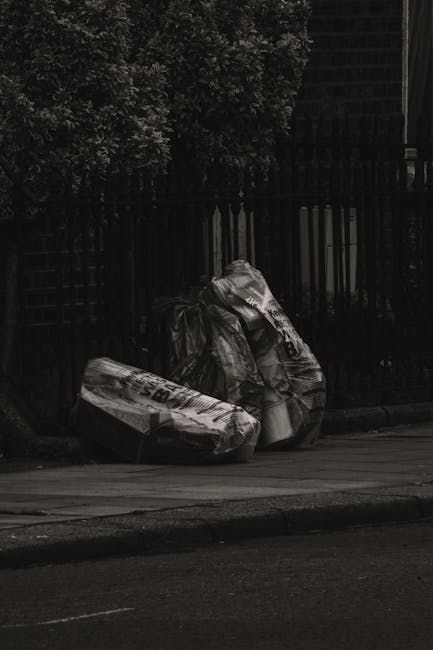
Essential guide to safe bulky rubbish removal across the UK
Bulky rubbish has a funny way of turning a normal week into a small domestic drama. One minute it is a broken wardrobe in the spare room, the next it is a mattress leaning against the hallway wall and a sofa that will not fit through the front door. This essential guide to safe bulky rubbish removal across the UK explains how to clear large items properly, avoid injury, stay within the rules, and choose the right removal route without making life harder than it needs to be.
Whether you are clearing a house, emptying a garage, or just trying to get rid of one awkward item that has been sitting there for months, the safest approach is usually the most organised one. In our experience, most problems come from rushing, guessing what can go where, or lifting something far heavier than it looks. Let's sort it out properly.
Table of Contents
- Why safe bulky rubbish removal matters
- How bulky rubbish removal works
- Key benefits and practical advantages
- Who this is for and when it makes sense
- Step-by-step guidance
- Expert tips for better results
- Common mistakes to avoid
- Tools, resources and recommendations
- Law, compliance, standards and best practice
- Options, methods and comparison table
- Case study or real-world example
- Practical checklist
- Conclusion
- Frequently asked questions
Why safe bulky rubbish removal matters
Bulky rubbish is not just "stuff you do not want anymore". It often includes large, awkward, heavy, or sharp items that can cause injuries, damage walls and floors, or create a mess if they are left outside too long. A damaged sofa in a hallway, a warped wardrobe in a stairwell, or a fridge waiting by the kerb can all become a problem quickly.
Safety matters for three simple reasons. First, large items are harder to move than they appear. A wardrobe can wobble, a mattress can catch on a banister, and a broken drawer can splinter at the worst moment. Second, not everything should go in the same place. Some items need special handling because of electrical parts, refrigerants, glass, or materials that can be reused or recycled. Third, improper disposal can lead to fly-tipping, fines, or complaints from neighbours. Nobody wants that. Nobody.
There is also the practical side. Safe bulky rubbish removal tends to be faster, cleaner, and less stressful when you plan ahead. A bit of thought before moving a single item can save a bruised shin and a wasted afternoon. Truth be told, most of the pain comes from improvising.
Expert summary: Safe bulky rubbish removal is really about three things: planning the job, protecting people and property, and making sure the items end up in the right disposal or recycling route.
How bulky rubbish removal works
The process is straightforward once you break it down. Bulky waste is usually any large household or commercial item that is difficult to place in a standard bin. Think beds, sofas, wardrobes, white goods, office chairs, exercise equipment, old carpets, and broken furniture. Some councils collect these items directly, while private waste removal services offer collection, loading, and disposal in one visit.
In a typical removal job, the provider will first understand what needs to go, where the items are located, and whether there are access issues such as stairs, narrow doors, controlled parking, or basement storage. That matters more than people think. A second-floor flat with no lift is a very different job from a garage with wide access.
Then comes the loading stage. Safe teams use correct lifting methods, protective gloves, trolleys, sack trucks, straps, and sensible teamwork. Items are either taken for reuse, recycling, or disposal depending on condition and material type. Good operators should separate recyclable material where possible, because bulky waste often contains wood, metal, fabric, plastic, and electrical components that can be processed differently.
If you want to understand how wider waste streams are handled, it can help to explore recycling and rubbish services and waste disposal options. Those pages give a broader view of what happens after collection.
And yes, sometimes the item that looks "useless" is the one that can be reused most easily. Funny how that works.
Key benefits and practical advantages
Safe bulky rubbish removal is not just about getting rid of clutter. Done well, it creates a cleaner home, a safer property, and a less stressful day. That sounds simple, but the difference is real when you are standing in a room that finally has space to breathe again.
- Less risk of injury: fewer heavy lifts, fewer awkward twists, and less chance of dropping something down the stairs.
- Reduced property damage: careful removal protects walls, doors, flooring, and communal areas.
- Better time use: a planned removal is usually much quicker than several improvised trips to a car or van.
- More suitable disposal: items can be directed to reuse, recycling, or the correct waste route.
- Less stress: you know what is happening, what it costs, and where the items are going.
- Improved tidiness: useful if you are preparing for a move, refurbishment, end-of-tenancy clean-up, or probate clearance.
For many households, bulky waste collection is the missing step between "I should deal with that" and "the room is usable again". That is the practical value. Not glamorous, but very real.
Who this is for and when it makes sense
This guide is useful for anyone dealing with large items that are too awkward for normal bin collection. That includes homeowners, tenants, landlords, letting agents, property managers, business owners, and family members handling a relative's house clearance.
It especially makes sense when:
- you have one or two large items, such as a sofa, mattress, fridge, or wardrobe;
- you are clearing a garage, loft, shed, or spare room;
- you need a safe solution for heavy items in a flat or upper-floor property;
- you are preparing a property for sale, rent, renovation, or probate clearance;
- you need items removed quickly without hiring a skip;
- the waste includes mixed materials that should be sorted responsibly.
Sometimes the decision is emotional as well as practical. Clearing a room after years of storage, or dealing with the contents of a family home, can be tiring in ways people do not always expect. In those moments, a careful, respectful removal service is worth a lot.
If you are dealing with a broader clear-out, pages such as house clearance, property clearance, and home clearance may be relevant too.
Step-by-step guidance
Here is the cleanest way to approach bulky rubbish removal without making it complicated.
- List the items. Write down everything that needs removing. Be specific. "Old stuff from the garage" is not enough when a service needs to judge weight, volume, and access.
- Check what can be reused, recycled, or needs special handling. A decent mattress, a working fridge, or intact furniture may follow different routes from broken mixed waste.
- Measure access points. Doorways, stair turns, lifts, garden gates, parking spaces, and narrow hallways all matter. A quick tape measure now saves a lot of huffing later.
- Prepare the area. Clear the route, move smaller loose items, protect corners if needed, and make sure pets and children are kept away during lifting.
- Choose the right collection method. Council collection, private collection, and self-haul all work differently. The right one depends on volume, urgency, and item type.
- Ask about safety and disposal. A responsible provider should be able to explain how items will be handled and whether anything can be recycled.
- Schedule the job for a sensible time. Morning slots are often easier if access is shared or parking is tight. You will notice the difference when the street is quieter.
- Walk through the property first. Before anything is moved, do a quick final check for hidden items, sharp edges, and things you meant to keep. Happens all the time, to be fair.
If you are clearing larger mixed loads, you may also want to look at bulk waste collection and bulky waste collection as part of your planning.
Expert tips for better results
A few small habits make a surprisingly big difference. First, never assume something is lighter than it looks. A cabinet with solid wood doors or a damp mattress can be far heavier than a quick glance suggests. Second, remove drawers, cushions, glass shelves, or loose parts before moving a large item. That reduces weight and prevents surprise movement.
Third, think about the path out of the property. The room itself is only half the story. The tight corner at the top of the stairs, the front step, or the bit of hallway where the radiator sticks out can be the real problem. In busy London streets, parking and loading space can also shape the whole job. A clear route and a sensible plan usually beat brute force.
Fourth, if the item is partly damaged, handle it as if it will fail further. Cracked wood, loose hinges, torn fabric, or broken springs can catch fingers and clothing. That is the sort of thing people only notice once they have already picked it up. Not ideal.
Fifth, if you are dealing with a lot of furniture, it may be worth grouping items by type. For example, keep beds and mattresses together, separate electricals, and stack reusable pieces apart from broken waste. It makes the removal smoother and helps with recycling afterwards.
And one more thing: gloves are not glamorous, but they do save hands. Which is nice, because hands are fairly useful.
Common mistakes to avoid
Most bulky waste problems are preventable. The usual mistakes are simple ones, which is exactly why they catch people out.
- Leaving it too late: last-minute removals often lead to rushed lifting and poor disposal choices.
- Underestimating size and weight: a sofa bed is not the same as a lightweight two-seater.
- Ignoring access issues: narrow stairs, no lift, or controlled parking can turn a quick job into a long one.
- Mixing everything together: electricals, mattresses, wood, and general waste should not always be handled the same way.
- Using unsafe lifting methods: bending at the waist and twisting while carrying is a classic mistake.
- Putting items out illegally: leaving bulky rubbish on the street without proper collection arrangements can create fly-tipping problems.
- Not checking the provider: if a service cannot explain disposal methods clearly, that is a warning sign.
There is also the quietly expensive mistake: paying for a collection before you have checked exactly what is included. Loading, disposal, access, and mixed material handling can all affect the final job. Ask first. It saves awkward conversations later.
Tools, resources and recommendations
You do not need a warehouse full of kit to remove bulky rubbish safely, but the right few tools help a lot.
| Tool or resource | Why it helps | Best for |
|---|---|---|
| Work gloves | Protect hands from splinters, sharp edges, and dirt | Almost every job |
| Sack truck or dolly | Makes heavier items easier to move on flat ground | Fridges, boxes, furniture |
| Blankets or floor protection | Helps avoid scuffs on walls and floors | Stairs, hallways, wood flooring |
| Straps or tie-downs | Improves control when lifting or loading | Large awkward items |
| Measuring tape | Confirms whether items fit through doorways | Furniture removal and tight access |
| Basic checklist | Keeps the job organised and avoids forgotten items | House clearances and mixed loads |
For related services and item-specific disposal, these pages can also be helpful: furniture removal and collection, sofa removal and collection, mattress removal and collection, and white goods recycle.
For business premises, office items, or mixed commercial loads, you may also want to review office clearance and commercial waste collection.
Law, compliance, standards and best practice
Bulky waste removal in the UK sits within wider waste handling rules and duty-of-care expectations. You do not need to become a legal expert to get this right, but you do need to be careful. If you are arranging removal, especially for a business or mixed property use, the key question is whether the waste will be handled by a responsible, traceable route.
Best practice usually means:
- using a provider that can explain how waste is transferred and processed;
- separating recyclable items where practical;
- avoiding unauthorised dumping or informal disposal arrangements;
- keeping records or invoices where appropriate, especially for commercial jobs;
- being cautious with items that may contain hazardous components, such as certain electricals or refrigeration units.
If you are managing a commercial premises, a landlord portfolio, or a renovation project, you may need stronger documentation and a more structured collection process. In those cases, services like business waste removal, commercial waste disposal, and builders waste clearance can be more suitable than ad hoc disposal.
For householders, the main practical rule is simple: do not hand waste to someone who cannot clearly explain where it will go. If that sounds obvious, good. It should be.
Options, methods and comparison table
There are a few common ways to deal with bulky rubbish. The right choice depends on how much you have, how quickly it needs to go, and whether you can move it safely yourself.
| Method | Best for | Pros | Watch-outs |
|---|---|---|---|
| Council large item collection | One-off items or modest volumes | Convenient, familiar, often straightforward | Booking slots, item limits, and preparation rules can vary |
| Private bulky waste collection | Urgent jobs, awkward access, mixed items | Flexible, includes lifting and loading, often quicker | Costs vary by volume, item type, and access |
| Self-haul to a facility | People with a suitable vehicle and time | Can work for smaller loads | Heavy lifting, transport risk, disposal rules to check |
| Reuse, donation, or resale | Good-quality items | Can reduce waste and extend item life | Not suitable for damaged or unsafe items |
Council-based routes can work well for a single item, and pages such as council large item collection, council rubbish collection, and council waste collection may be useful if you are comparing options. For larger or more varied clear-outs, private bulky waste services often feel easier because the lifting, loading, and disposal are handled together.
To be fair, there is no single "best" route for every job. The best method is the one that is safe, realistic, and properly matched to the waste you actually have.
Case study or real-world example
A fairly typical scenario goes like this. A family in a two-storey terraced house needs to clear an old three-piece suite, a broken chest of drawers, a mattress, and a fridge freezer from the kitchen. The hallway is narrow, the front step is awkward, and parking outside is tight because of permit restrictions.
The first instinct is often to drag everything outside and sort it later. But that would mean repeated lifting, a cluttered front path, and far more chance of knocking into the walls. Instead, the better approach is to identify the items, clear the route, protect the floor, and remove the fridge and heavy furniture one at a time with two people involved. The mattress goes last, because it is awkward but manageable once the route is clear.
In a job like that, the value of a proper bulky rubbish collection becomes obvious. The household avoids several trips, the items are removed safely, and the room is usable again the same day. Small detail, big relief. You can almost feel the space returning to the house.
For similar clear-outs, related services such as furniture clearance, fridge disposal, and large item collection may be worth considering.
Practical checklist
Use this before any bulky waste removal job. It keeps things simple.
- Make a list of every item to be removed.
- Check whether any items can be reused, donated, or recycled.
- Measure doorways, hallways, stair turns, and lifts.
- Confirm parking or loading access where needed.
- Remove loose parts, drawers, cushions, or shelves.
- Protect floors and corners if the route is tight.
- Keep children and pets out of the way during loading.
- Separate electrical items from general furniture if possible.
- Ask how the waste will be handled after collection.
- Keep any booking details, invoice, or confirmation for your records.
If the job is bigger than you expected, that is fine. It happens. A "quick clear-out" often becomes a full afternoon once you start opening cupboards, loft boxes, and the one room everyone avoids. Better to know that upfront than halfway down the stairs.
Get a free quote today and see how much you can save.
Conclusion
Safe bulky rubbish removal across the UK is mostly about good judgement: know what you are removing, plan the route, choose the right method, and make sure the waste is handled responsibly. Once you do that, the whole process becomes much less stressful and far more efficient.
Whether you are clearing one awkward item or dealing with a full-room load, a calm, organised approach will almost always beat a rushed one. And if the job feels too heavy, too messy, or simply too much, there is nothing wrong with handing it over to people who do this every day. That is what sensible choices look like.
A clear space has a way of making everything feel a bit lighter. Nice, really.
Frequently Asked Questions
What counts as bulky rubbish in the UK?
Bulky rubbish usually means large household or commercial items that are awkward to fit into normal bins. Common examples include sofas, beds, mattresses, wardrobes, fridges, washing machines, office furniture, and large garden items.
Is bulky waste removal the same as house clearance?
Not exactly. Bulky waste removal is usually about removing larger individual items or a modest mixed load. House clearance is broader and can involve multiple rooms, whole properties, and a much wider mix of contents.
Can I leave large items on the pavement for collection?
Only if you have arranged a proper collection and followed the relevant local instructions. Leaving items out without a booked service can create problems, including complaints, obstruction, or fly-tipping concerns.
What is the safest way to move a heavy sofa or wardrobe?
Measure the route first, remove loose parts, use two people where appropriate, and avoid twisting while lifting. If the item is especially heavy or the access is awkward, it is safer to use a professional collection service rather than force it.
Do councils collect bulky waste everywhere in the UK?
Many councils offer some form of large item collection, but the service, pricing, item limits, and booking process vary by area. It is always worth checking the local arrangement before assuming it will suit your job.
What happens to my bulky waste after collection?
That depends on the item and the provider. Some items may be reused, some broken down for recycling, and others disposed of through the appropriate waste route. Good providers should be able to explain this in plain language.
How do I know if a bulky waste service is trustworthy?
Look for clear pricing, clear communication, and a sensible explanation of how items are handled. A trustworthy provider should not be vague about disposal, access requirements, or what is included in the collection.
Are mattresses and fridges treated differently from other furniture?
Often yes. Mattresses usually need separate handling because of their construction, while fridges and similar appliances can involve specific components that should be managed carefully. They are common items, but not "just another bit of rubbish".
Can bulky rubbish be recycled?
Often a good portion of it can, depending on the condition and material mix. Wood, metal, some plastics, and certain electrical components may be recyclable. The exact route depends on the item and the waste handler.
How much does bulky rubbish removal cost?
Costs vary widely depending on the number of items, their size and weight, access to the property, labour involved, and the disposal route. A clear quote based on the actual job is much more useful than a rough guess.
Is it worth using a private collection service instead of the council?
If you need speed, flexibility, or help with lifting and loading, a private service can be worth it. If you only have one item and your local council service is suitable, the council route may be enough. It depends on the job, not just the price.
What should I do before the collection team arrives?
Clear the route, identify the items, separate anything you are keeping, and make sure parking or access is ready if needed. A small bit of preparation makes the whole process smoother and often quicker than people expect.
Can bulky rubbish removal help with a loft, garage, or shed clear-out?
Yes. In fact, those are some of the most common uses. Services like garage clearance, loft clearance, and garden clearance are often used when bulky items have built up over time and need to be removed safely and in one go.