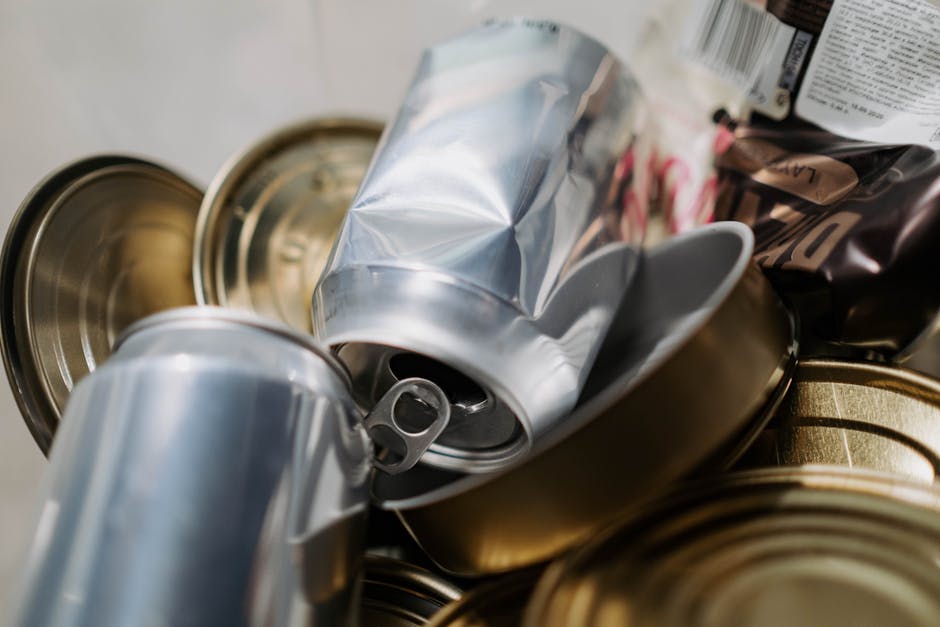
How Pro Teams Sort Mixed Loads to Maximise Recycling
If you have ever looked at a van full of mixed waste and thought, "right, where do we even start?", you are in the right place. How Pro Teams Sort Mixed Loads to Maximise Recycling is less about guesswork and more about a disciplined process: identify what can be recovered, separate what must be handled carefully, and move the rest through the right disposal route. Done well, it keeps more material out of landfill, cuts contamination, and makes the whole job feel calmer. Truth be told, it is a bit like sorting a messy attic or a packed office after a move - the order only appears after the first smart decisions.
In this guide, we will break down how professional teams approach mixed loads, what makes the method effective, which mistakes quietly reduce recycling performance, and how to decide when a more structured service is worth it. If you are dealing with household clearances, trade waste, office strip-outs, or one-off bulky collections, the same logic applies. The details change. The thinking stays the same.
- Why it matters
- How the sorting process works
- Benefits and practical advantages
- Who it is for
- Step-by-step guidance
- Expert tips
- Common mistakes
- Tools and resources
- Law, compliance and best practice
- Options and comparison
- Real-world example
- Practical checklist
- Conclusion
- Frequently asked questions
Why How Pro Teams Sort Mixed Loads to Maximise Recycling Matters
Mixed loads are where recycling success is often won or lost. A load may contain wood, metal, cardboard, furniture, WEEE items, green waste, plasterboard, and general rubbish all in one go. If everything is tipped together and handled casually, recyclable material gets contaminated. That usually means lower recovery, more sorting later, and in some cases a full loss of recyclable value.
Professional teams treat mixed loads as a recovery problem first and a removal job second. That sounds a bit nerdy, maybe, but it is the right mindset. The team is not just trying to empty a property or site quickly; they are looking for usable material streams. A broken office chair might become metal, plastic, and wood. A house clearance could hold reusable furniture, cardboard packaging, and a fridge that needs specialist treatment. The more carefully those streams are separated, the more can be sent into recycling or reuse routes rather than generic disposal.
This matters for several reasons:
- Environmental performance: more materials are recovered and less is wasted.
- Cost control: sorted material is often cheaper to process than contaminated mixed waste.
- Operational efficiency: crews waste less time making avoidable decisions on site.
- Compliance and reputation: better segregation helps support responsible waste handling.
And there is a practical side too. If you are clearing a property in London on a damp Tuesday morning, with stairs, a tight hallway, and a deadline looming, a clear sorting system keeps the job moving. No drama. Just a smoother day.
How How Pro Teams Sort Mixed Loads to Maximise Recycling Works
The basic process is simple enough to explain, though the skill is in the detail. Pro teams start by identifying the materials in the load, separating obvious recyclables, isolating specialist items, and then deciding what route each category should take. In the field, that usually happens in layers rather than all at once.
First comes initial assessment. Before lifting starts, experienced crews will scan the load and note bulky items, hazardous items, reusable goods, and anything likely to cause contamination. A mattress is not the same as broken timber. A fridge is not the same as a pile of cardboard. That sounds obvious, but you would be surprised how much poor recycling starts with a rushed first look.
Next comes source separation where possible. If items can be separated at the point of collection - for example furniture in one section, cardboard in another, metals in another - the recovery rate tends to improve. In a home clearance, that might mean keeping books, textiles, and electronics apart as they come out of the property. In a builders waste clearance job, it might mean separating metal offcuts from plasterboard and timber.
Then there is load consolidation. Once the material is separated, teams will group similar items so they can be transferred to the appropriate recycling, reuse, or disposal route. Some materials need specialist handling, such as fridges, white goods, or electricals. Others can be bulked and processed more simply. This is where a clear system saves time and money.
Finally, the team documents or records the load categories as needed, especially for business or commercial waste removal. That helps show what was collected, where it went, and how it was treated. It is not glamorous, but it matters.
In many real jobs, teams use a combination of visual checks, simple category buckets, and a "what can be recovered safely now?" mindset. The best crews keep it practical. They do not overcomplicate it, but they also do not just throw everything into one pile and hope for the best. Hope is not a sorting strategy.
Key Benefits and Practical Advantages
There are plenty of reasons to sort mixed loads properly, but the strongest benefits are surprisingly grounded. You can see them in the pace of the job, the quality of the output, and the amount of waste that disappears into the wrong stream.
| Benefit | What it means in practice | Why it matters |
|---|---|---|
| Higher recycling recovery | More wood, metal, cardboard, and reusable goods are separated correctly | Less waste is lost to mixed disposal |
| Lower contamination | Food waste, liquids, or damaged items are kept away from clean recyclables | Recycling facilities are more likely to accept the material |
| Faster clearance | Crews can work through the load in a logical order | The job finishes more efficiently |
| Better reuse outcomes | Furniture and other usable items are spotted early | Good items get a second life |
| Cleaner compliance process | Special items and waste categories are handled more carefully | Reduces handling errors and messy handovers |
One of the least talked-about advantages is simply fewer surprises. When a load is sorted well, the team knows what it has. That gives the office manager, homeowner, or site supervisor a clearer picture too. You are not left wondering whether the old fridge went into the right place, or whether half the "general waste" could have been recovered with a little more care.
Another practical gain is credibility. People notice when a team takes recycling seriously. It shows up in the neatness of the process, the language they use, and the way they explain what is happening. Small thing? Maybe. But it builds trust quickly.
Who This Is For and When It Makes Sense
This approach is useful for anyone dealing with more than a simple, single-material clearance. If your waste stream is mixed, bulky, or uneven, a structured sorting method is usually worth it. In our experience, the more varied the load, the more obvious the benefit becomes.
It is especially relevant for:
- Householders clearing multiple rooms, lofts, garages, or inherited properties
- Landlords and letting agents managing end-of-tenancy clearances or abandoned items
- Businesses removing office furniture, electronics, packaging, or stock waste
- Trade teams dealing with builders waste, timber, metal, or renovation debris
- Property managers organising probate clearances or full property clearances
- Anyone with bulky items such as sofas, mattresses, or white goods mixed in with other rubbish
It makes sense when you want more than a "just take it away" service. If your priority is to recover as much as possible, protect reusable items, and avoid contaminating recyclable material, this is the better route. If the load is tiny and uniform - say one bag of garden clippings or a single appliance - a simpler collection may be enough. Context matters.
There is also a timing question. If the job is urgent, sorting becomes even more important, because rushed handling increases mistakes. On a busy Friday afternoon, people are more likely to toss a recyclable item into the wrong pile. Let's face it, everyone gets a bit careless when the van is waiting.
Step-by-Step Guidance
Here is the practical version of how pro teams sort mixed loads to maximise recycling. It is not fancy. It is repeatable, and that is the point.
-
Do a quick pre-sort at the property or site.
Walk the space and identify obvious categories: metals, wood, cardboard, furniture, electricals, green waste, and any items that need special handling. A fast scan before lifting saves a lot of shuffling later.
-
Separate reuse from waste.
Good-condition furniture, storage items, or office equipment should be assessed for reuse before anything else. A usable item should not be treated like rubbish just because it is in the same room as rubbish.
-
Remove specialist items early.
Fridges, freezers, electronics, batteries, and other items that require more careful treatment should be taken out of the general flow. This reduces contamination and keeps the rest of the load easier to sort.
-
Group recyclables together by material.
Wood with wood. Metal with metal. Cardboard with cardboard. It sounds almost too basic to mention, but that discipline is what turns a mixed load into a recoverable one.
-
Keep dirty or wet items away from clean recyclables.
Paint-soaked rags, food waste, broken glass, and liquids can ruin otherwise valuable material. One contaminated section can spoil a lot more than people expect.
-
Handle bulky waste in the right sequence.
Large items like sofas, wardrobes, and mattresses can be broken down or separated where practical. For example, upholstery, springs, timber, and metal components may move into different streams.
-
Load the vehicle in a logical order.
Well-sorted material is easier to unload and process. Good teams think ahead about destination points, not just what fits nearest the door.
-
Check for contamination before leaving.
A final visual check catches missed items, mixed bags, or special waste that slipped into the wrong pile. This last look can save a lot of bother later.
Expert summary: The best recycling outcomes usually come from simple habits done consistently: separate early, protect clean material, isolate specialist items, and never assume a mixed load is "too messy" to improve. It nearly always is.
If you want a mental shortcut, think of the process as triage. What can be reused? What can be recycled cleanly? What needs specialist handling? What is genuinely residual waste? That order helps teams make quicker, better decisions on the spot.
Expert Tips for Better Results
There are a few small adjustments that make a big difference. Not the glamorous bits, admittedly, but the bits that improve the final result.
- Use clear categories before collection starts. Even a rough plan - furniture, electricals, cardboard, general waste - reduces confusion at the point of loading.
- Keep contamination traps separate. Food waste, paint tins, liquids, and anything greasy should be isolated early.
- Prioritise reusable items with visible value. A solid desk, intact shelving, or an office chair in decent condition should be handled differently from broken waste.
- Break down large items when safe. Dismantling a wardrobe or bed frame can reveal metal fixings, timber, and recyclable components that might otherwise be missed.
- Train crews to spot "hidden recyclables". Boxes inside cupboards, cardboard under furniture, or scrap metal behind a shed are easy to overlook.
- Think in terms of destinations, not just categories. Some material goes to recycling, some to reuse, and some to specialist disposal. The route matters as much as the label.
One very practical tip: don't let the easiest item dictate the whole load. It is tempting to dump everything together because one awkward sofa is in the way. But that sofa does not get to boss the job. Sort around it. Work methodically. You will notice the difference by the end of the afternoon, especially on bigger clearances where the air is a bit dusty and everyone wants the kettle on.
And yes, sometimes a load looks hopeless until you start pulling it apart. That is normal. A mixed pile is rarely as random as it first appears.
Common Mistakes to Avoid
Most recycling losses come from a handful of avoidable mistakes. These are the ones that crop up again and again.
- Putting everything into one "mixed" pile. This is the fastest way to reduce recycling quality.
- Ignoring contamination. One wet or dirty item can downgrade a much larger batch.
- Assuming bulky means unrecoverable. A bulky item can often be broken down into useful material streams.
- Forgetting specialist waste. White goods, fridges, and electronics often need separate handling.
- Skimming the job too quickly. Rushing the first look usually costs time later.
- Not checking for reuse potential. Good furniture or office items may still have value.
- Leaving sorting until the end. Once the load is blended, you have fewer options.
A classic mistake is treating sorting as a clean-up task after the clearance. In reality, it should happen during the clearance. That shift in thinking changes everything. It is the difference between managing waste and just moving it around.
Another quiet issue is overconfidence. A team may think, "we know this stuff," and then miss a pile of cardboard under a stack of timber. Happens all the time. No shame in it, but it is avoidable with a steady rhythm and one final sweep.
Tools, Resources and Recommendations
Good sorting is not about fancy kit. Mostly, it is about practical tools and a method that everybody follows.
- Segregated collection bags or bins: useful for smaller streams like cardboard, metals, or general residual waste.
- Labelled areas in the vehicle or yard: helps prevent accidental mixing after collection.
- Simple item checklists: great for clearances where the same waste types keep appearing.
- Protective equipment: gloves, boots, and appropriate safety gear should be standard on any physical clearance.
- Trolleys, dollies, and lifting aids: helpful for bulky items and awkward stairways.
- Photo notes or job records: useful for business waste jobs where traceability matters.
For homeowners and landlords, a basic room-by-room approach often works well. Start with the obvious categories in each area. For offices, it can help to think desk-by-desk or department-by-department. For building work, sort by material type as the waste is generated, rather than waiting for one massive pile at the end. That one simple habit makes a huge difference.
If you are comparing removal options, it is also worth looking at the wider service scope. Pages such as recycling and rubbish, waste recycling, and waste removal can help you understand how different jobs are approached. For heavier mixed collections, bulk waste collection and bulky waste collection are also relevant starting points. If the load includes office items, office clearance may be more appropriate than a general clearance.
For domestic clearances, especially where furniture or white goods are involved, related services such as furniture disposal, white goods recycle, and fridge disposal can provide a clearer route for individual items. If you are dealing with a whole property or a more sensitive clearance, home clearance and property clearance are useful reference points.
Law, Compliance, Standards, or Best Practice
Waste handling in the UK is shaped by legal duties, environmental expectations, and ordinary good practice. You do not need to be a specialist to understand the basics, but you do need to be careful. Mixed loads are one of the places where sloppy handling can create problems.
For business and commercial waste, the broad expectation is that waste is collected, stored, transported, and transferred responsibly. That usually means keeping records where required, avoiding contamination, and making sure specialist items are handled properly. Different waste types can have different requirements, especially electricals, refrigeration items, and anything that may be classed as hazardous or difficult to process.
Best practice generally includes:
- Separating recyclable and non-recyclable material as early as possible
- Keeping hazardous or specialist items out of general waste streams
- Using a licensed and suitably insured operator for removal work
- Maintaining clear internal procedures for staff or crews
- Recording what was collected and where it was taken when appropriate
For landlords, businesses, and site managers, a simple question is often the most useful one: if someone asked what happened to this load, could we explain it clearly? If the answer is no, the process probably needs tightening up. Not a crisis, just a sign that the system could be better.
It is also sensible to consider health and safety. Mixed loads can contain sharp edges, heavy items, hidden glass, mouldy contents, or unstable stacks. A proper method is not only about recycling performance; it also protects the team handling the waste. Pages like health and safety policy and insurance and safety are useful if you want to understand the general approach to safe working practices.
For commercial or trade clients, clear service terms and pricing transparency also matter. A job that starts with vague assumptions can end with awkward surprises. If you need that kind of clarity, pricing and quotes is worth reviewing alongside the actual collection service.
Options, Methods, or Comparison Table
There is no single right way to deal with mixed waste, but some methods are definitely better than others depending on the job. Here is a straightforward comparison.
| Method | Best for | Advantages | Limitations |
|---|---|---|---|
| Loose mixed collection | Small, low-value loads | Quick and simple | Lowest recovery potential, higher contamination risk |
| On-site manual sorting | House clearances, office clearances, bulky mixed loads | Better recycling and reuse outcomes | Needs time, space, and crew discipline |
| Pre-sorted collection | Planned refurbishments or repetitive waste streams | High recovery and predictable handling | Depends on good separation before collection |
| Specialist item-by-item removal | Fridges, mattresses, electronics, single bulky items | Safe and targeted | Not ideal for larger mixed loads on its own |
In practice, pro teams often combine methods. A mixed house clearance might use on-site manual sorting for most items, then specialist routes for fridges or electricals, and a separate stream for reusable furniture. That hybrid approach is usually the sweet spot.
Case Study or Real-World Example
Picture a typical late-morning clearance in a London flat. There is an old sofa in the living room, cardboard boxes in the hallway, a broken table, a fridge in the kitchen, and a few bags of assorted bits that nobody has looked at for years. It smells faintly of dust and old paper. Nothing dramatic. Just a very normal mess.
A pro team will usually begin by isolating the fridge, because it needs separate handling. Next, they will check whether the sofa is reusable, repairable, or ready for disposal. The cardboard boxes are flattened and kept clean. The table is assessed for timber or metal components. The bags are opened carefully because mixed bags are often where the surprises live - batteries, cables, old chargers, sometimes things that should never have been bundled together in the first place.
By the end of the job, the load is not one single heap of waste. It is several streams: reusable furniture, recyclable cardboard, metal and timber fractions, specialist electrical waste, and a smaller amount of true residual waste. That is how the recovery rate improves. Not by magic. By taking five extra minutes at the start and not letting the whole load blur together.
We have seen jobs where that approach turned a seemingly low-value clearance into a much cleaner, more responsible result. The client gets a tidier finish. The waste stream gets smarter. Everyone wins, really. Well, almost everyone - the dust never loves it.
Practical Checklist
Use this checklist before and during a mixed-load clearance. It keeps things simple.
- Identify the main waste categories before loading starts
- Separate reusable items from disposable waste
- Isolate fridges, electronics, batteries, and other specialist items
- Keep clean recyclables away from dirty or wet waste
- Break down bulky items where it is safe to do so
- Flatten cardboard and keep it dry
- Separate metals, wood, and general waste where possible
- Check for hidden items inside cupboards, drawers, and boxes
- Do a final contamination sweep before departure
- Confirm the right disposal route for each waste stream
If you can tick most of those boxes, you are already ahead of the average mixed-load approach. And that is the real goal here: not perfection, just better recovery, fewer mistakes, and a calmer process from start to finish.
Get a free quote today and see how much you can save.
Conclusion
How Pro Teams Sort Mixed Loads to Maximise Recycling comes down to one simple idea: the best recovery rates happen when teams make smart decisions early. Mixed loads are never completely straightforward, but they are almost never hopeless either. A bit of structure, a bit of discipline, and a clear plan for reuse, recycling, and specialist disposal can change the whole outcome.
Whether you are clearing a flat, an office, a garage, or a busy worksite, the same principle applies. Sort as you go. Protect clean material. Keep specialist items separate. And never assume the mess in front of you is too tangled to improve. Usually it is not.
If you are planning a clearance and want a cleaner, more responsible result, the next sensible step is to compare your waste types, pick the right service route, and ask for a clear quote. Simple, really. And a lot less stressful than dragging everything to the curb and hoping for the best.
There is something quietly satisfying about doing waste properly. Less clutter, less waste, more of the good stuff saved. Not bad for a day's work.
Frequently Asked Questions
What does mixed load sorting mean in waste removal?
Mixed load sorting means separating different waste materials during or before collection so recyclable, reusable, and specialist items can each follow the right route. It is the practical way pro teams reduce contamination and improve recovery.
Why do professional teams sort mixed loads instead of just loading everything together?
Because loading everything together usually lowers recycling quality, increases contamination, and can make the whole load harder to process. Sorting creates more options for reuse and recycling, which is better for the environment and often better value too.
Can mixed household waste still be recycled?
Yes, often a fair amount of it can. Even a messy household clearance may contain cardboard, metals, furniture components, textiles, and electricals that can be separated and directed to the right processing route.
What items are most important to separate first?
Specialist items such as fridges, freezers, electronics, batteries, and anything contaminated or hazardous should usually be separated early. After that, reusable items and clean recyclables are the next priority.
How do teams avoid contamination in a mixed load?
They keep dirty, wet, or food-contaminated items away from clean recyclables, flatten cardboard, isolate specialist items, and do a final check before leaving. Small habits make a big difference here.
Is it worth sorting mixed loads for a small clearance?
If the load is tiny and simple, maybe not. But if it includes furniture, boxes, electricals, or more than one waste type, sorting is usually worth the effort because it improves recovery and avoids avoidable waste.
What happens to furniture in a mixed load?
Furniture is usually assessed first for reuse, then for recycling by material type where possible. Some items can be broken down into wood, metal, and textiles, while others may need to go through a specific disposal route.
Do commercial waste jobs need more detailed sorting?
Often, yes. Commercial and office waste can involve electronics, confidential materials, packaging, and furniture, so a clearer sorting process helps with traceability, compliance, and recycling performance.
How do I know if a waste removal company is taking recycling seriously?
Look for clear explanations of what happens to different waste types, practical service pages, and sensible guidance on separating items. A serious operator will talk about recovery, not just disposal. They should be able to explain the process in plain English.
What are the biggest mistakes people make with mixed loads?
The biggest mistakes are mixing everything together, ignoring contamination, forgetting specialist waste, and leaving sorting until the end. Those errors reduce recycling rates and can create avoidable handling problems.
Does sorting mixed loads take much longer?
Not always. A good team can sort efficiently because the process is built into the job from the start. In many cases, a little sorting time saves more time later than it costs upfront.
What should I ask for when getting a quote for a mixed clearance?
Ask how the load will be handled, whether reusable and recyclable items are separated, what happens to specialist items, and whether the quote includes the full collection and disposal process. Clear answers are a very good sign.