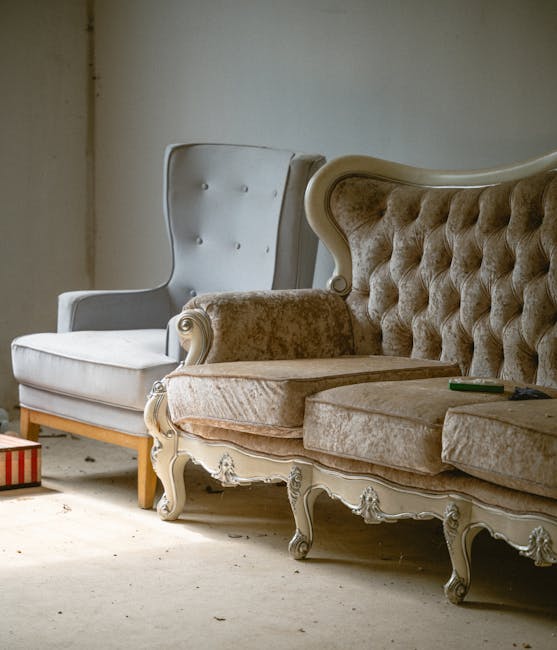
Pro techniques for dismantling and removing large furniture
Large furniture looks harmless enough when it is sitting in a room. Then moving day arrives, the sofa catches the hallway corner, the wardrobe refuses to budge, and that heavy oak table suddenly feels like it was built into the building. Pro techniques for dismantling and removing large furniture save time, protect walls and floors, and make a difficult job feel far more manageable. In practice, the difference is often simple: work in the right order, take the item apart methodically, and plan the removal before you lift a single bolt.
Whether you are clearing a flat, replacing old fitted-style pieces, or making space before a renovation, a proper approach matters. It is not just about brute force. It is about preparation, safe lifting, the right tools, and knowing when a piece should be dismantled versus carried whole. Let's be honest, furniture has a habit of becoming heavier the moment a narrow stairwell is involved.
This guide walks through the practical side of dismantling and removing bulky items, from room planning and fastener removal to transport, disposal, and common mistakes. You will also find comparison advice, a checklist, and a real-world example to help you decide whether to do it yourself or bring in a specialist. If you need related support for a full property project, you may also find our furniture clearance and furniture removal and collection pages useful.
Table of Contents
- Why Pro techniques for dismantling and removing large furniture Matters
- How Pro techniques for dismantling and removing large furniture Works
- Key Benefits and Practical Advantages
- Who This Is For and When It Makes Sense
- Step-by-Step Guidance
- Expert Tips for Better Results
- Common Mistakes to Avoid
- Tools, Resources and Recommendations
- Law, Compliance, Standards, or Best Practice
- Options, Methods, or Comparison Table
- Case Study or Real-World Example
- Practical Checklist
- Conclusion
- Frequently Asked Questions
Why Pro techniques for dismantling and removing large furniture Matters
Big furniture removal is one of those jobs that looks straightforward until you actually try it. A bed frame may seem light in theory, but once it is awkwardly angled through a landing with a low ceiling, every inch counts. The same goes for wardrobes, sofa beds, display cabinets, desks, and large shelving units. Pro techniques reduce the risk of damage, injury, and expensive delays.
The main reason these techniques matter is control. A controlled dismantle gives you options: you can carry parts through tight spaces, protect door frames, and sort reusable components from waste as you go. In busy homes, especially older London properties with narrow staircases and tricky turns, that control is worth its weight in gold.
There is also the disposal side. Furniture that is broken apart carelessly can end up as mixed waste, which is harder to recycle and more expensive to handle. A more considered process helps separate wood, metal, fabric, glass, and fixings. That makes the whole job cleaner, faster, and usually more cost-effective.
From a practical point of view, the task is rarely just "remove one item." More often it is part of a wider clearance. If you are already clearing a room, loft, garage, or office, a methodical dismantle can speed up the entire project. For larger projects, services such as house clearance, home clearance, and office clearance can help when the job is bigger than a simple lift-and-load.
Expert takeaway: The safest furniture removals are rarely the strongest ones. They are the most planned. If you can reduce size, weight, and friction before you move anything, you make the whole job easier from the first cut to the final load.
How Pro techniques for dismantling and removing large furniture Works
The process works by breaking the job into stages rather than treating the item as one solid problem. First you assess the furniture and the route out. Then you identify the fasteners, joints, and weak points. After that, you remove loose parts, dismantle the main structure, and package each component for safe handling and transport.
At a professional level, this is less about speed and more about sequence. A sofa, for example, may have removable feet, detachable arms, hidden staples, or a split frame. A wardrobe might come apart cleanly at the back panel, shelves, rails, and side uprights. The trick is to follow the construction rather than forcing the item into pieces.
The same method applies whether the furniture is destined for reuse, donation, recycling, or disposal. Reusable parts should be kept intact where possible. Waste should be separated cleanly. Fragile surfaces should be wrapped or padded. And every stage should be handled with the next stage in mind. That sounds obvious, but in the middle of a cramped hallway it is easy to forget.
In most cases, the workflow looks like this:
- inspect the item and measure doorways, stairs, and corners
- remove cushions, shelves, drawers, doors, and loose fittings
- label hardware and bag small fixings
- dismantle the largest sections in a controlled order
- protect sharp edges and delicate finishes
- carry parts out using safe lifting techniques
- load the item by weight and shape, not by guesswork
For people dealing with mixed bulky items, this often sits alongside broader waste handling, such as bulky waste collection, large item collection, or waste removal. That is especially helpful when one room has a bit of everything: furniture, old boxes, and a few items that should never have lived in the same corner in the first place.
Key Benefits and Practical Advantages
There are some obvious benefits, and then there are the ones people only notice once the job is underway. Yes, dismantling makes furniture easier to move. But the practical upside is broader than that.
- Less risk of damage: Smaller components are easier to steer around bannisters, radiators, and door frames.
- Lower injury risk: Reducing weight and bulk means fewer awkward lifts and fewer "I'll just twist it a bit" moments.
- Faster removals: A well-planned dismantle usually saves time once the route is tight or the item is oversized.
- Better recycling outcomes: Separating materials can improve sorting and reduce mixed waste.
- Cleaner presentation: Useful if the property is being prepared for sale, rent, probate, or renovation.
- More flexibility: You can carry pieces through narrow access points that would otherwise make removal impossible.
There is also a financial angle. In many real situations, easier access and smarter preparation can reduce labour time. If the removal team spends less time wrestling with a wardrobe in the hallway, the job often runs more efficiently. Truth be told, that is one reason experienced crews spend so long on the front-end planning.
For readers comparing services, it can also be helpful to understand related disposal routes. If you are clearing a bed, for instance, a specialist route like bed disposal may be more suitable than general rubbish removal. Likewise, soft furnishings may fit better with sofa removal or sofa removal and collection. Matching the method to the item saves hassle later.
Who This Is For and When It Makes Sense
This approach is useful for homeowners, tenants, landlords, estate executors, office managers, and anyone dealing with furniture that simply will not move as a single piece. It is especially relevant if the item is heavy, old, partly damaged, or built from several connected sections.
It makes sense when:
- the furniture will not fit through the exit intact
- the item is too heavy for a safe one-person lift
- you need to protect flooring, walls, or communal areas
- you are clearing several rooms at once
- the item contains mixed materials that should be separated
- the furniture is being removed from a flat, upstairs room, or office with restricted access
This is common in London flats, Victorian terraces, converted buildings, and office spaces with tight circulation routes. If you have ever looked at a wardrobe and realised it was installed before the room was decorated, you will know the feeling. Sometimes the room owns the furniture, not the other way round.
The method also makes sense for people dealing with larger clearance projects such as flat clearance, probate clearance, garage clearance, or loft clearance. In those settings, there is usually a mix of awkward furniture and accumulated items, so a structured approach is more or less essential.
Step-by-Step Guidance
Below is the practical process we would follow on a typical large-furniture job. It is not flashy. It is just the sort of careful sequence that prevents headaches later.
1. Survey the item and the removal route
Start by checking the furniture itself: size, weight, fixings, material, and whether any sections already wobble. Then look at the route out. Measure doors, lifts, stair widths, landings, and awkward corners. A wardrobe that looks fine in the bedroom may become a different beast at the top of the stairs.
Mark the route if needed. Move side tables, lamps, and fragile objects out of the way. Open doors fully. If floors are delicate, put down protective coverings early, not after the first scrape. That one step saves a lot of regret.
2. Remove loose parts first
Take off cushions, drawers, shelves, doors, feet, handles, and any detachable extras. These pieces are often lighter than the main structure, but they can catch on door frames or shift unexpectedly during lifting. Bag screws, bolts, and brackets together and label them if there is any chance the item will be reassembled.
A simple note on masking tape can save twenty minutes later. Sometimes more. No one enjoys a mysterious bag of fittings that looks like it belongs to three different wardrobes and one bedside table.
3. Identify the construction method
Look for visible screws, cam locks, bolts, brackets, staples, dowels, or hidden fixings. Flat-pack furniture usually comes apart differently from solid wood or bespoke pieces. Upholstered items may have fabric panels concealing the frame. Forcing the wrong joint can splinter timber or bend the frame, which makes disposal messier and transport harder.
4. Dismantle from the outside in
Work from the outer sections toward the core frame. On wardrobes, that may mean removing the back panel, doors, and shelves before tackling the sides. On beds, take out slats, side rails, and headboards before the main frame. On large tables, detach legs or leaves before moving the top.
Use controlled pressure. If a section resists, stop and inspect. Something is still attached. You do not need to win an argument with a piece of furniture.
5. Protect surfaces and sharp edges
Wrap glass, corner edges, polished wood, or exposed metal. Even a few metres of movement can leave dents on walls or chips in finishes. For long items, keep padding between sections so pieces do not rub together in the van. This matters more than people think, especially on wet days when everything feels a little slippery and rushed.
6. Move in manageable loads
Carry smaller parts one at a time or in paired loads that are easy to control. Keep the heaviest end low and use good footing. If the route involves stairs, one person should lead, one should guide, and neither should pretend the item is lighter than it is.
If the furniture is going into a vehicle for disposal or collection, load the largest, flattest pieces first and stack lighter components around them. Keep fixings, loose metal, and fragile bits in a separate container so nothing gets lost or punctured.
7. Sort for reuse, recycling, or disposal
Before the final load leaves the property, decide what can be reused, what can be recycled, and what is waste. This is especially useful if the furniture includes metal frames, untreated timber, or separate components. If the item is part of a wider domestic or commercial clearance, services such as furniture disposal, waste disposal, or recycling and rubbish may fit the job better than a one-size-fits-all approach.
Expert Tips for Better Results
A few small decisions can make a surprisingly big difference. These are the kind of things professionals tend to do without thinking, because the cost of getting them wrong is so annoying.
- Take photos before dismantling: Handy if the item is to be reassembled or if you need proof of condition.
- Use the right bit for the screw head: A rounded screw turns a ten-minute task into a miserable one.
- Keep a small parts box: Zip bags are fine, but a rigid tub is better for sharp fittings.
- Label panels by order: Top, left, right, back, front. Simple, but very effective.
- Test weight before committing: Lift one side first. If it surprises you, regroup.
- Plan for the return route too: The move out is only half the job. What happens when the item is on the stair landing matters just as much.
One practical habit we like is to keep a notepad or phone note for "oddities" during the job: hidden bolts, glued joints, sharp staples, damaged supports. Next time you see the same style of unit, you are not starting from scratch. Little memory aids like that are gold on repeat jobs.
Another useful tip is to decide early whether the item is worth salvaging. Some furniture is worth careful dismantling for reuse; some is only worth removing cleanly for recycling. No point spending half an hour preserving a swollen chipboard cabinet that was already on its last legs. Be honest with the object.
Common Mistakes to Avoid
Most problems come from rushing, lifting before checking, or assuming every piece comes apart the same way. That is where damage and injuries sneak in.
- Using force too early: If a section will not move, it usually means a fastener has been missed.
- Skipping route planning: The wardrobe may dismantle fine, but the mattress bag still has to get downstairs.
- Leaving fixings loose: Screws and bolts rolling around a van floor are a nuisance and a puncture risk.
- Underestimating weight distribution: A lighter item can still be awkward if the weight sits at one end.
- Ignoring floor and wall protection: One careless scrape can cost more than the removal itself.
- Mixing disposal streams: Putting everything into one heap makes recycling harder and may increase handling time.
Another common slip is trying to move an item before the dismantle is actually finished. A half-dismantled wardrobe feels unstable because it is unstable. Funny how that works. Finish the stage you are on before moving to the next.
Tools, Resources and Recommendations
You do not need a van full of specialist gear, but the right basics matter. For most large furniture dismantles, the following items are useful:
- stubby and long screwdrivers
- hex keys / Allen keys
- drill or driver with correct bits
- adjustable spanner
- utility knife for tape or packaging
- moving blankets or furniture pads
- gloves with a good grip
- tape, marker pen, and resealable bags for fixings
- flat pry tool for stubborn panels, used carefully
- straps or trolleys for heavier components
For the wider disposal side, it helps to know whether the job is mainly bulk waste collection, bulky waste collection, or a mixed clearance that fits better under rubbish removal or waste clearance. The right category can affect how the work is planned and how quickly it can be handled.
If you are comparing service options, also check practical details such as access, loading time, payment process, and whether the provider can separate recyclable materials. If the project is in a busy area or access is awkward, ask about logistics early. A short conversation can prevent a long day.
Law, Compliance, Standards, or Best Practice
Furniture removal and waste handling in the UK should be done with care and in line with applicable local requirements. The exact rules can vary by council and by the type of waste involved, so it is sensible to check the practical obligations for your area before placing items out for collection or loading them for disposal.
As a general best practice, furniture should not be abandoned on pavements, left in communal areas without permission, or mixed carelessly with waste streams that require separate handling. If an item contains electrical parts, refrigerant components, or other special materials, it may need to be treated differently. Fridges, for example, are not just another bulky item, which is why dedicated fridge disposal and white goods recycle routes exist.
It is also worth paying attention to safety expectations in shared buildings, workplaces, and rented properties. Hallways must remain accessible, and heavy lifting should be managed so that residents, staff, and the public are not put at avoidable risk. If you are arranging a larger job, providers that publish clear policies around health and safety and insurance and safety can offer extra reassurance.
For commercial settings, there may be additional obligations around waste transfer, segregation, and secure disposal of mixed office items. Office furniture is often bulky, heavy, and partly recyclable, so it should be handled with proper care. If needed, look at business waste removal, commercial waste collection, or commercial waste disposal rather than relying on general rubbish routes.
Best practice in plain English: plan the route, separate materials, protect people and property, and choose the right disposal route for the item. Nothing fancy. Just careful work done properly.
Options, Methods, or Comparison Table
There is more than one way to get a large item out of a property. The right method depends on the furniture, the access, and what happens next.
| Method | Best for | Pros | Limitations |
|---|---|---|---|
| Move whole item | Light, compact, or modular furniture | Fast when access is wide and clear | High risk of damage in tight spaces; not suitable for oversized pieces |
| Partial dismantle | Most wardrobes, beds, tables, shelving | Balances speed and control; fewer parts to manage | Requires correct tools and a bit of know-how |
| Full dismantle | Large, awkward, or tightly fitted furniture | Best for narrow access, recycling, and safe handling | Takes longer and needs careful labelling |
| Professional removal service | Heavy, bulky, or multiple items | Less physical strain; usually faster and safer for tricky jobs | May cost more than DIY, depending on access and volume |
In many homes, partial dismantle is the sweet spot. You remove just enough to make the piece manageable without spending an hour stripping it apart. But if the item is wedged into a loft room or you have a very tight staircase, full dismantling is often the better call. If the job is bigger than expected, a wider service such as rubbish clearance or property clearance may be more efficient overall.
Case Study or Real-World Example
Here is a simple real-world scenario. A customer is moving out of a first-floor flat in a converted terraced property. The main problem item is a large wardrobe with mirrored doors and a deep carcass. On paper it looks removable. In reality, the stairwell turns sharply halfway down and the front door opens onto a narrow landing. Not ideal.
The solution is to dismantle the wardrobe in the bedroom rather than trying to drag it into the hall intact. The mirrored doors come off first and are wrapped. Shelves are removed and stacked. The back panel is detached, then the side sections are taken apart in sequence. Fixings are bagged and labelled. Once broken into safe components, the unit passes the stairwell without touching the wall. No scraping, no panic, no half-awkward "pivot it, pivot it" moment. Well, only one of those.
The same job would have been much harder if the team had started with brute force. Instead, the right sequence made the difference. The room stayed intact, the components were easier to sort, and the removal was completed without unnecessary damage. That is the kind of result pro techniques are meant to deliver: not drama, just a clean finish.
Practical Checklist
Use this quick checklist before you start dismantling and removing large furniture:
- Measure the furniture and the removal route
- Check for hidden fixings, bolts, or glued sections
- Clear the path and protect floors and corners
- Remove loose parts first
- Label bags, panels, and hardware
- Use the correct tools for the fixings
- Wear gloves and suitable footwear
- Lift with help if the item is heavy or awkward
- Separate recyclable materials where possible
- Decide in advance whether the item is for reuse, disposal, or specialist collection
If you are dealing with multiple items at once, it can help to group them by room and by material. That keeps the job tidy and makes loading far more efficient. A little order at the start saves a lot of wandering about later.
Conclusion
Pro techniques for dismantling and removing large furniture are really about calm, careful control. Measure first. Strip the easy parts. Follow the structure of the item. Protect the property. And only then move the pieces out. That process reduces risk, speeds up the job, and usually leaves you with a cleaner result.
Whether you are clearing one heavy wardrobe or managing a whole flat's worth of bulky items, the same principles apply. Work methodically, use the right tools, and match the disposal route to the item. It is a practical skill, not a glamorous one, but it makes a difficult job much less stressful. Sometimes that is all you need.
If you would like support with a larger clearance, check the relevant service pages and choose the route that fits your item, access, and timeline. A sensible plan now is far better than wrestling with a sofa at the front door later.
Get a free quote today and see how much you can save.
And if you are standing in a room wondering how on earth that wardrobe got in here in the first place, take a breath. There is usually a neat way through it.
Frequently Asked Questions
What is the safest way to dismantle large furniture?
The safest approach is to inspect the item first, remove loose parts, identify the fixings, and dismantle it in sequence rather than forcing joints. Protect floors and walls, use the correct tools, and get help for heavy sections.
Can I remove large furniture without dismantling it?
Sometimes, yes, if the item is compact and the route out is wide enough. But for wardrobes, sofa beds, large tables, and bulky shelving, dismantling usually reduces damage and makes the lift much easier.
What tools do I need for furniture dismantling?
Most jobs need screwdrivers, hex keys, a drill or driver, an adjustable spanner, gloves, tape, and bags for fixings. Moving blankets and straps are also useful when carrying sections through a property.
How do I know whether a wardrobe can be taken apart?
Look for screws, bolts, cam locks, back panels, and detachable doors or shelves. If the unit is flat-pack or modular, it often comes apart more easily than solid-built furniture. If you are unsure, stop and inspect before using force.
What should I do with screws and small fittings?
Keep them in labelled bags or a small container. It sounds minor, but it saves time if the furniture is being reassembled or if you need to keep parts together for disposal.
Is it worth hiring a professional for large furniture removal?
It often is when the item is heavy, awkward, upstairs, or in a property with tight access. A professional team can usually dismantle, carry, load, and dispose of the item more efficiently, which can reduce stress and property damage.
How can I avoid damaging walls and floors?
Use protective coverings, clear the route first, and carry pieces slowly with good communication between movers. Pads, blankets, and careful turning at corners make a big difference in older homes and narrow hallways.
Can large furniture be recycled?
Often, parts of it can. Wood, metal, and some fabrics may be recyclable depending on the condition and local handling routes. Separating components properly gives you a better chance of responsible recycling.
What is the difference between bulky waste and furniture disposal?
Bulky waste is a broader category that can include large household items, while furniture disposal focuses specifically on items like sofas, wardrobes, beds, and tables. The right route depends on the item and how it needs to be processed.
How long does it take to dismantle and remove large furniture?
That depends on the item, the tools, and the access route. A simple bed frame may take only a short while, while a large wardrobe or sofa bed can take longer, especially if it has hidden fixings or awkward access.
Do I need special permission to leave furniture out for collection?
Rules vary by area and by collection type, so it is best to check the relevant local arrangements before placing anything outside. In many situations, items should not be left in communal areas or on pavements without proper permission or collection arrangements.
What if the furniture is too heavy to lift safely?
Do not guess. Stop, re-plan, and consider dismantling further or using a professional removal service. Heavy lifting is not worth an injury, and a safer method is usually available.
Can you remove furniture from a flat with stairs only?
Yes, but stairs make planning much more important. In many cases, dismantling is the best way to avoid scraping walls or getting the item stuck on a landing. Tight stairwells are a classic problem, so patience helps.
What should I do before booking a collection service?
Measure the furniture, note the access issues, list any extra items, and decide whether the piece needs dismantling first. That information helps the job go more smoothly and can prevent surprises on the day.